What If Your Balance Could Tell You More Than a Blood Test?
No fancy equipment, no trackers, just six seconds on one foot.
A 2022 study published in The British Journal of Sports Medicine found that adults who can’t balance on one leg for six seconds or more are at twice the risk of all-cause mortality over the next 10 years compared to those who can.
(BJSM, 2022)
Sounds dramatic, but it makes sense.
Balance isn’t just a fitness skill; it’s a window into your nervous system, strength, coordination, and resilience to aging.
Why Balance Reflects Longevity
Think of balance as your body’s “system check.”
- Neuromuscular coordination: Your brain, nerves, and muscles communicate in milliseconds to keep you upright.
- Core and joint stability. Balance tests reveal how efficiently your stabilizers work.
- Reaction time and proprioception. The tiny adjustments your body makes demonstrate how quickly your system responds to even slight instability.
As we age, balance subtly declines, often unnoticed until a fall happens.
But poor balance isn’t about clumsiness. It’s often tied to weak glutes, stiff ankles, poor posture, or reduced sensory feedback.
When these fade, so does our body’s ability to protect itself.
How to Do the 6-Second Balance Test
Here’s how to try it safely at home
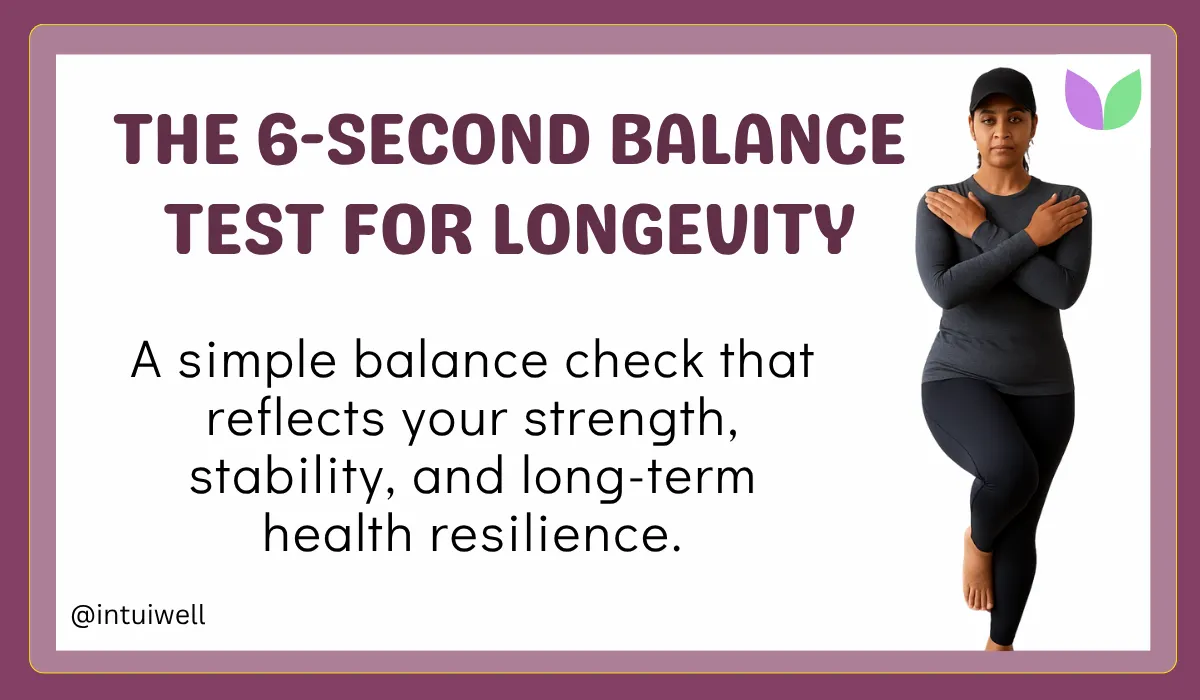
1️. Stand barefoot on a flat, stable surface near a wall (for safety).
2️. Cross your arms over your chest.
3️. Lift one foot off the floor, placing it behind the opposite leg (to avoid wobbling).
4️. Look straight ahead, no staring at the floor.
5 ️Start a timer and hold the position for as long as you can, up to 10 seconds.
Pass: You can hold steady for 6 seconds or longer.
Needs work: You lose balance or touch the wall before 6 seconds.
Now repeat with the other leg.
If there’s a big difference between sides, that tells you something about your body’s asymmetry.
What It Really Means (and Doesn’t)
Failing the test isn’t a “death sentence.”
It’s just an early data signal from your body.
- If you wobble, it may mean weak hip stabilizers, stiff ankles, or low proprioception.
- If you can’t hold it at all, your nervous system might be overtaxed (stress and fatigue affect balance!).
- And if you can balance easily, great, but can you do it with eyes closed or while turning your head? That’s next-level control.
Think of balance like strength: trainable, adaptable, and completely reversible.
How to Improve Your Balance (and Longevity Along With It)
Here’s a practical plan backed by movement science
1️. Train Barefoot
Shoes mute the sensory feedback from your feet.
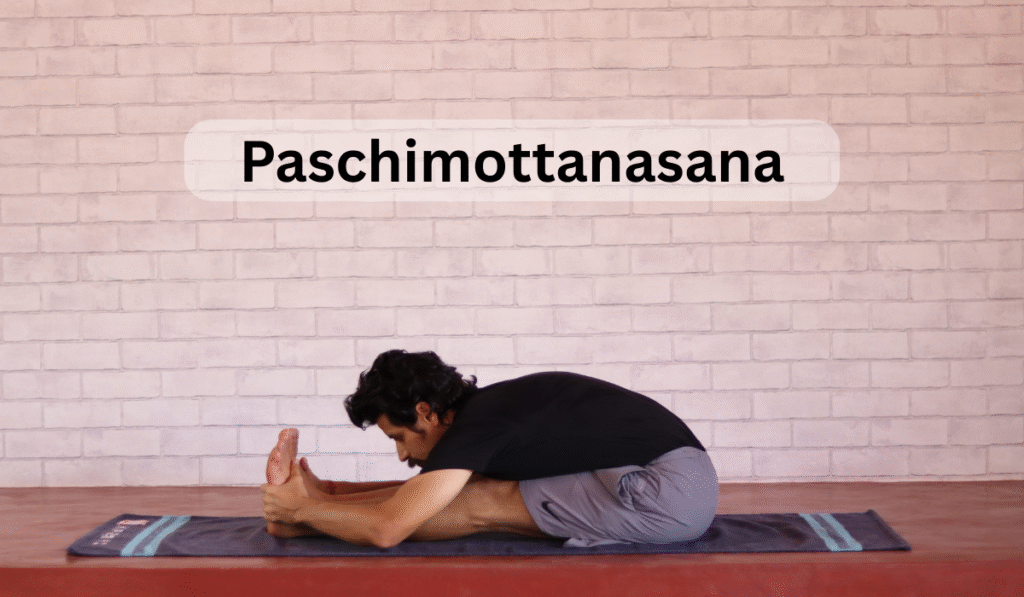
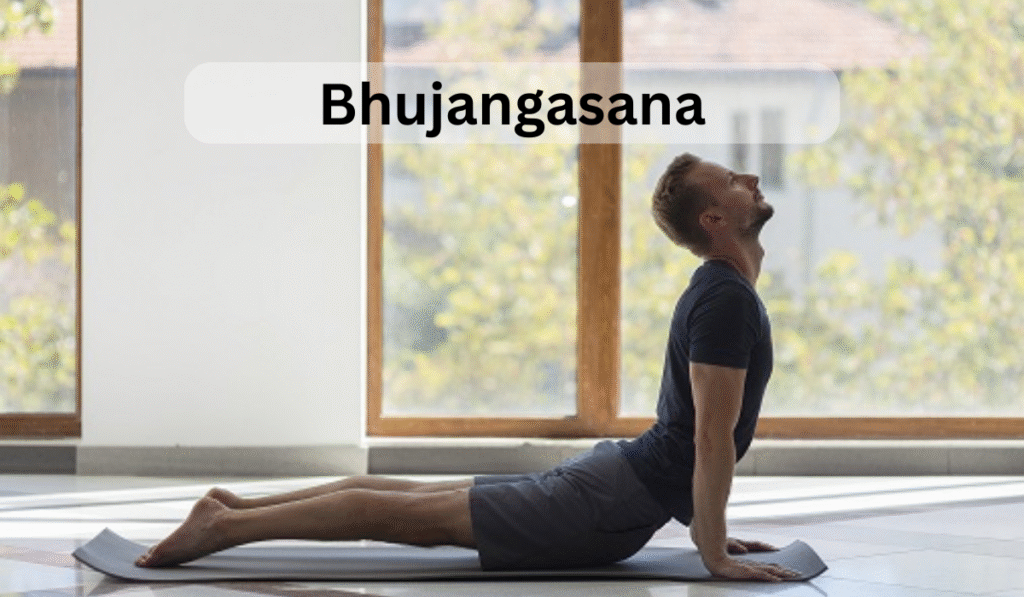
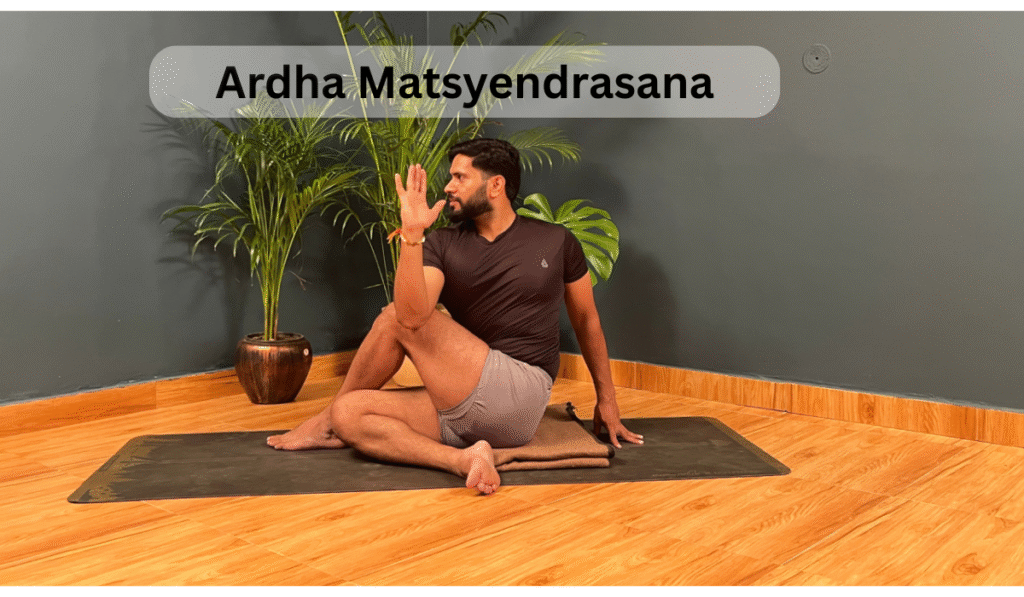
Spend a few minutes barefoot daily doing light balance or yoga poses to wake up stabilizing muscles.
2️. Do Single-Leg Work
Exercises like single-leg deadlifts, step-ups, or lunges challenge coordination and glute strength, the foundation of balance.
3️. Add Dynamic Balance
Static balance is good; moving balance is better.
Try heel-to-toe walking, side steps, or balancing on an unstable surface (like a pillow or BOSU ball).
4️. Mobilize Ankles & Hips
Stiff ankles are the #1 reason people lose balance early.
Do ankle circles, calf stretches, and hip openers daily.
5️. Mind Your Core and Posture
A strong core and aligned posture help your brain sense where your body is in space, improving control and reaction time.
6️. Train Focus & Calm
Balance is also mental.
Slow your breath, soften your gaze, and let your body respond naturally. Stress tightens muscles and throws off equilibrium.
Balance as a Longevity Habit
The takeaway isn’t just about standing on one leg; it’s about keeping your connection to your body alive.
Practicing balance builds confidence, joint control, and fall prevention, all predictors of long, independent living.
If you start now, six seconds becomes sixty, and that stability ripples through your whole life.
References
- Araújo, C.G.S. et al. (2022). Ability to balance on one leg and risk of death in middle-aged and older people. British Journal of Sports Medicine. Successful 10-second one-legged stance performance predicts survival in middle-aged and older individuals | British Journal of Sports Medicine
- Granacher, U. et al. (2018). Balance training and functional performance in older adults: Systematic review. Sports Medicine. Effects of Balance Training on Balance Performance in Healthy Older Adults: A Systematic Review and Meta-analysis | Sports Medicine
- Sherrington, C. et al. (2019). Exercise to prevent falls in older adults: An updated systematic review. British Journal of Sports Medicine. Exercise to prevent falls in older adults: an updated systematic review and meta-analysis – PubMed
Summary
The 6-second balance test is more than a party trick — it’s a measurable predictor of longevity. A major 2022 BJSM study found that adults who can’t balance on one leg for at least six seconds have nearly double the 10-year mortality risk. Balance reflects the efficiency of your nervous system, joint stability, proprioception, and overall aging resilience.
The test is simple: stand on one leg, arms crossed, foot lifted, and hold for up to 10 seconds. If you can’t hit six seconds, it usually points to weak stabilizers, stiff ankles, or poor neuromuscular control — all fixable.
Improving balance requires barefoot training, single-leg exercises, ankle/hip mobility, core/posture alignment, and calm focus. Consistent work not only enhances balance but also reduces fall risk and strengthens long-term independence.
FAQs
1. What is the 6-second balance test?
It’s a simple one-leg standing test that measures your balance, neuromuscular control, and aging resilience. Holding the position for at least six seconds indicates good baseline stability.
2. Why does this test predict longevity?
Balance reflects how well your brain, nerves, muscles, joints, and sensory systems coordinate. Poor balance is strongly linked to fall risk, muscle weakness, reduced mobility, and overall functional decline — all major factors affecting long-term mortality.
3. What does it mean if I can’t hold for six seconds?
It usually highlights weak hip stabilizers, stiff ankles, poor proprioception, or overall fatigue/stress. None of this is permanent — balance improves quickly with targeted training.
4. How often should I train balance?
Daily. You don’t need long sessions — 5–10 minutes of single-leg work, ankle mobility, and controlled breathing is enough to create progress.
5. Does age make the test harder?
Yes, balance naturally declines with age, but training slows the decline dramatically. Even seniors show strong improvement with regular balance and strength work.
6. Can balance training reduce fall risk?
Absolutely. Research repeatedly shows that balance training is one of the strongest interventions for preventing falls and maintaining independent living.
Want a personalized mobility, strength, and longevity plan?
Book a consultation call with IntuiWell — or request a callback, and we’ll guide you step-by-step.