The Shift No One Prepares You For
During perimenopause and menopause, your body is rewriting its internal rules.
Estrogen and progesterone hormones that once cushioned your joints, stabilized your mood, and regulated temperature begin to fluctuate or decline.
That means the same workout that used to energize you might now leave you drained, dizzy, or sore for days. But movement is still one of your best tools for feeling good; it just needs to evolve with you.
A 2023 review in Frontiers in Endocrinology found that exercise improves sleep, mood, bone density, and muscle mass during menopause but only when intensity and recovery are tailored to hormonal changes (Frontiers in Endocrinology, 2023).
So the goal isn’t to train harder. It’s to train smarter and kinder.
Step 1: Shift from Punishment to Partnership
This stage of life is not about “bouncing back.” It’s about tuning in.
The drop in estrogen affects how your muscles recover, how your joints lubricate, and how your body manages inflammation (Harvard Health, 2022).
Instead of high-stress, cortisol-spiking workouts every day, focus on mixed movement:
- 3 strength days (bodyweight, resistance bands, or light weights)
- 2 cardio days (brisk walk, cycling, swimming, dance)
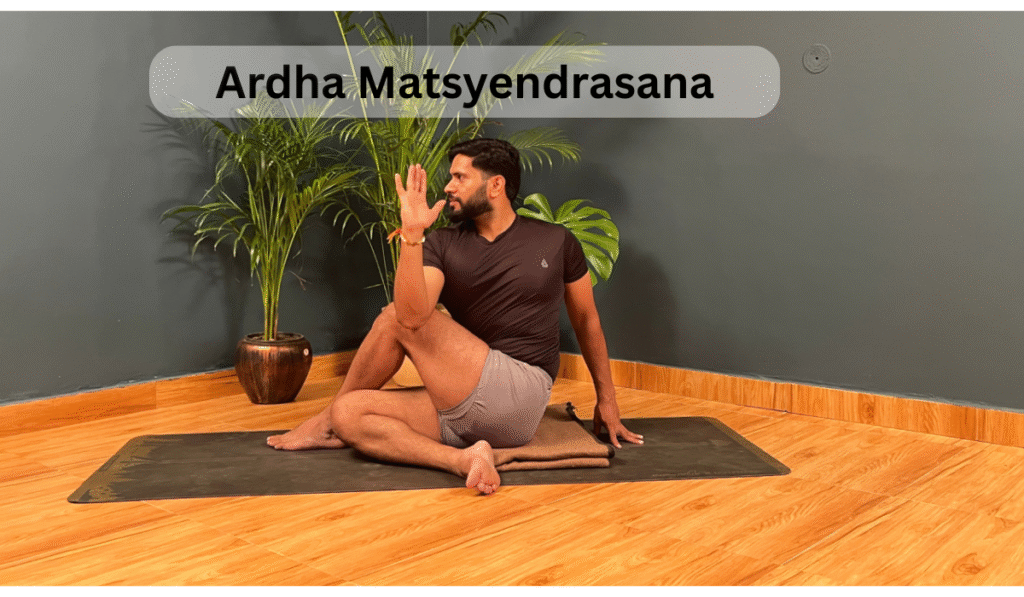
- 2 recovery days (stretching, mobility, yoga, or simply rest)
Strength training becomes non-negotiable: it maintains bone density and muscle mass, both of which decline faster post-menopause. (The North American Menopause Society, 2021)
Step 2: Make Recovery a Priority
Your body now needs more recovery to get the same results.
Fluctuating estrogen can affect muscle repair and sleep, making rest days productive, not lazy.
Try these:
- Sleep is part of your workout plan. Aim for 7–8 hours; sleep is when growth hormone helps repair muscle tissue.
- Stretch daily, even briefly. Gentle yoga or mobility drills release tension and improve circulation.
- Hydrate well. Lower estrogen = higher risk of dehydration; water supports joint health and thermoregulation.
And don’t overlook nutrition: include protein with every meal (especially breakfast) to support recovery and lean mass. (Nutrients Journal (2021)
Step 3: Match Intensity to Energy
Perimenopause is a hormonal roller coaster, so energy, sleep, and mood can shift weekly.
Forcing yourself into rigid high-intensity schedules may increase fatigue, anxiety, or injury risk.
Use an intuitive training scale:
- If you wake up tired or anxious, choose low-impact flow: yoga, walking, Pilates, mobility.
- If you feel strong go for resistance or interval training.
- If you’re bloated, achy, or sleep-deprived, focus on stretch and breathwork instead.
A study in Maturitas (2022) found that flexible exercise programs improved adherence and reduced fatigue more effectively than rigid ones during perimenopause (Maturitas, 2022).
Step 4: Train Your Nervous System Too
Hot flashes, night sweats, and anxiety often signal a nervous system imbalance. Movement can help regulate it.
Combine physical and calming practices:
- Breath-led movement (yoga, tai chi, walking meditation)
- Short daily grounding rituals, a walk after dinner, a stretch before bed
- Nasal breathing during exercise to lower cortisol and heart rate variability
You’re not just training muscles, you’re retraining your stress response.
Step 5: Redefine Progress
Forget “calories burned.”
Measure your wins in energy, stability, sleep, and how you feel in your body.
Progress at this stage is gentler but deeper:
- You recover faster.
- You wake up with fewer aches.
- You trust your body again.
Menopause isn’t the end of vitality; it’s a reset button. When movement becomes nourishment instead of punishment, your body responds with strength, calm, and resilience.
Blog Summary:
As women enter perimenopause and menopause, their bodies undergo major hormonal shifts — especially in estrogen and progesterone — that affect energy, mood, recovery, and muscle health. The same workouts that once worked may now lead to fatigue or soreness. This stage demands a smarter, not harder, fitness approach.
A balanced weekly routine should include 3 strength-training days, 2 cardio sessions, and 2 recovery days focused on flexibility and rest. Prioritizing recovery, hydration, and protein-rich nutrition becomes essential since hormonal fluctuations impact muscle repair and sleep.
Exercise intensity should match energy levels — tuning into your body rather than forcing it. Studies show that flexible, intuitive routines improve results and reduce fatigue. Equally important is training your nervous system through calming, breath-led movement like yoga, tai chi, or mindful walking.
The goal is to redefine progress — not by calories burned but by how energized, resilient, and calm you feel. Menopause isn’t the end of vitality; it’s your body’s invitation to move with awareness, rebuild strength, and restore balance.
FAQs
- Why do I need a different workout routine after 40?
Hormonal changes during perimenopause and menopause affect muscle mass, joint lubrication, and recovery. Adjusting your workouts helps prevent fatigue, injury, and inflammation. - How often should I exercise during menopause?
A balanced plan includes 3 strength sessions, 2 cardio days, and 2 rest or recovery days per week. Flexibility and rest are as vital as movement. - What type of strength training is best?
Bodyweight, resistance bands, or light weights are effective for maintaining bone density and muscle strength without overstraining. - How can I manage fatigue during workouts?
Listen to your body. On low-energy days, choose gentle movement like yoga, stretching, or walking. Pushing through exhaustion can raise cortisol and slow recovery. - Does exercise really help with menopause symptoms?
Yes. Research shows that tailored exercise improves sleep, mood, bone density, muscle tone, and overall hormonal balance.
References
- Frontiers in Endocrinology (2023)
- Harvard Health Publishing (2022). Menopause and your muscles.
- The North American Menopause Society (2021). Exercise and menopause.
- Nutrients Journal (2021). Protein intake and muscle health in postmenopausal women.
- Maturitas Journal (2022). Exercise Adherence and Fatigue Reduction During Perimenopause
Ready to rebuild your strength and balance your energy through a personalized approach?
👉 Book a consultation call with IntuiWell or request a callback today to start your customized fitness journey.