Exercise After a Heart Event: Where to Start Safely
Coming back to movement after a heart event can feel scary. Your body feels different, your energy has changed, and even simple activities can feel unfamiliar.
You’re not alone, and you don’t have to rush.
The goal is not intensity.
The goal is confidence, safety, and steady rebuilding.
Let’s walk through exactly how to start safely.
1. What “Low-Intensity” Actually Means (Plain, Real-Life Terms)
You’ll see the word low-intensity everywhere… but what does it feel like?
Low-intensity movement means: You-
- Can breathe through your nose
- Can talk in full sentences
- Don’t feel chest pressure
- Your muscles feel like they’re “waking up,” not straining
- Could continue the activity comfortably for 10+ minutes
Examples:
- Slow walking
- Gentle cycling
- Light household movement
- Chair exercises
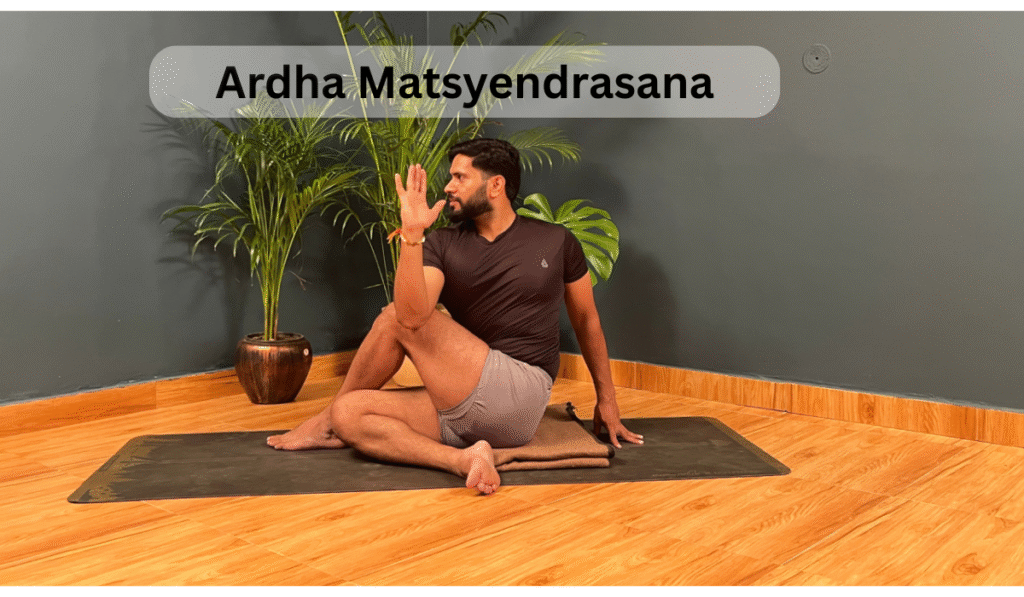
- Beginner yoga (no holds, no strain)
- Slow marching in place
If your breathing becomes labored, your shoulders rise, or you feel anxious, that’s no longer low-intensity.
Your heart is asking you to slow down, not stop.
2. Heart-Rate Zones for Beginners After a Cardiac Event
You do NOT need to push your heart rate high to get benefits.
Most heart patients stay in Zone 1–2 for weeks or months.
Zone 1 (Healthy Warm-Up Zone)
~50–60% of maximum heart rate
Feels like:
- Very easy movement
- Slow walk
- Warming up your body
Zone 2 (Cardiac Rehab Zone – the “sweet spot”)
~60–70% of maximum heart rate
Feels like:
- Gentle effort
- You can talk comfortably
- Breathing is controlled
- Sustainable
This is the safest and most effective zone for rebuilding your cardiovascular health.
How to estimate your max heart rate:
220 – your age = estimated max
Then calculate 50–70% of that.
(If your doctor gave you a target heart rate, follow that instead.)
But even more important is how you feel.
Your body will always tell you before the numbers do.
3. Safety Check: When to Stop Immediately
Stop the exercise right away if you feel ANY of these:
- Chest pain or pressure
- Dizziness or faintness
- Nausea unrelated to food
- Unusual shortness of breath
- Heart palpitations are stronger than normal
- Sudden fatigue wave
- Pain in the jaw, the left arm, or the upper back
- Cold sweat
- Anxiety that feels physical, not emotional
If ANY symptom continues for more than a minute after stopping → seek medical attention immediately.
Safety is strength.
Listening is a strength.
Going slow is a strength.
4. How to Build from 5 Minutes to 20 Minutes (The Gentle Progression)
Week 1: 5 minutes, once or twice a day
- Super slow pace
- Focus on breathing
- Sit if needed
Goal: feel safe and confident.
Week 2: 7–8 minutes
- Slightly longer walks
- 60–70% effort
Goal: gentle consistency.
Week 3: 10 minutes
- Add small hills or slightly faster steps if comfortable
- No breathlessness
Goal: improved endurance.
Week 4–5: 12–15 minutes
- Enjoy the movement
- Posture relaxed
Goal: smoother recovery, reduced fatigue.
Week 6+: 15–20 minutes per session
- 3–5 days per week
- Stay in Zone 1–2
Goal: sustainable heart health, confidence, independence.
If you miss a day or feel tired, restart at your last comfortable duration. You’re not losing progress, you’re respecting your heart.
The Intuiwell Truth
Exercise after a heart event should never feel like punishment.
It should feel slow, steady, loving.
Your heart has survived something hard.
Now your movement can help it heal, not by pushing, but by honoring your pace.
You’re not rebuilding your fitness.
You’re rebuilding your relationship with your body.
And you’re doing it beautifully.
Blog Summary
Coming back to movement after a heart event is not about pushing harder—it’s about rebuilding trust in your body.
This guide explains exactly how to restart exercise safely after a cardiac event using low-intensity movement, simple heart-rate zones, and body-based safety cues. It breaks down what “low intensity” actually feels like, how to recognize safe effort levels, and when to stop immediately.
You’ll also find a clear week-by-week progression—from 5 minutes to 20 minutes—that prioritizes consistency, confidence, and recovery rather than speed or performance.
The core message is simple: healing happens through steady, respectful movement—not fear, guilt, or intensity.
FAQs
1. When can I start exercising after a heart event?
Only after your doctor clears you. Once cleared, most people begin with very low-intensity movement such as slow walking or chair exercises.
2. What is the safest type of exercise after a cardiac event?
Low-intensity aerobic movement—walking, gentle cycling, light household activity, or beginner yoga—is safest in the early stages.
3. How hard should exercise feel after a heart event?
You should be able to breathe comfortably, talk in full sentences, and continue for at least 10 minutes without strain. If it feels stressful or forced, it’s too much.
4. What heart-rate zone is safe after a heart event?
Most people stay in Zone 1–2 (50–70% of max heart rate) for weeks or months. If your doctor has given you a specific range, always follow it.
5. What symptoms mean I should stop exercising immediately?
Chest pain, dizziness, nausea, unusual breathlessness, jaw or left-arm pain, palpitations, cold sweats, or sudden fatigue. If symptoms persist after stopping, seek medical help.
6. Is it okay to skip days or go backward?
Yes. Recovery is not linear. Restart from your last comfortable level without guilt.
7. Do I need a gym or equipment?
No. Most recovery happens through simple, consistent movement—not machines.
Need a Safe, Personalised Recovery Plan?
If you’re unsure where to start—or afraid of doing too much or too little—our team can guide you step by step.
👉 Book a consultation call
👉 Request a call back from an IntuiWell expert
REFERENCES
- American Heart Association (2022). Physical Activity Recommendations for Heart Patients. What is Cardiac Rehabilitation? | American Heart Association American Heart Association Recommendations for Physical Activity in Adults and Kids | American Heart Association
- Mayo Clinic (2023). Cardiac Rehab Exercise Guidelines. Stress test – Mayo Clinic
- Harvard Health Publishing (2021). How to Exercise Safely After a Heart Event.Exercising when you have a heart condition – Harvard Health
- Journal of Cardiopulmonary Rehabilitation (2020). Low-Intensity Training and Heart Recovery. Journal of Cardiopulmonary Rehabilitation and Prevention
- Defining the Cardiac Fibroblast Secretome in a Fibrotic Microenvironment – PMC