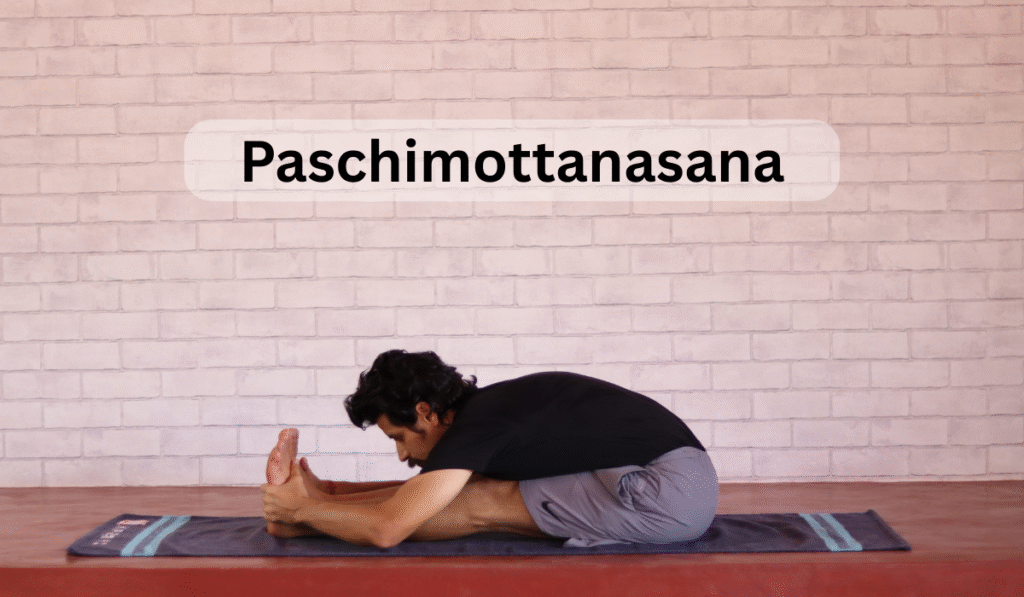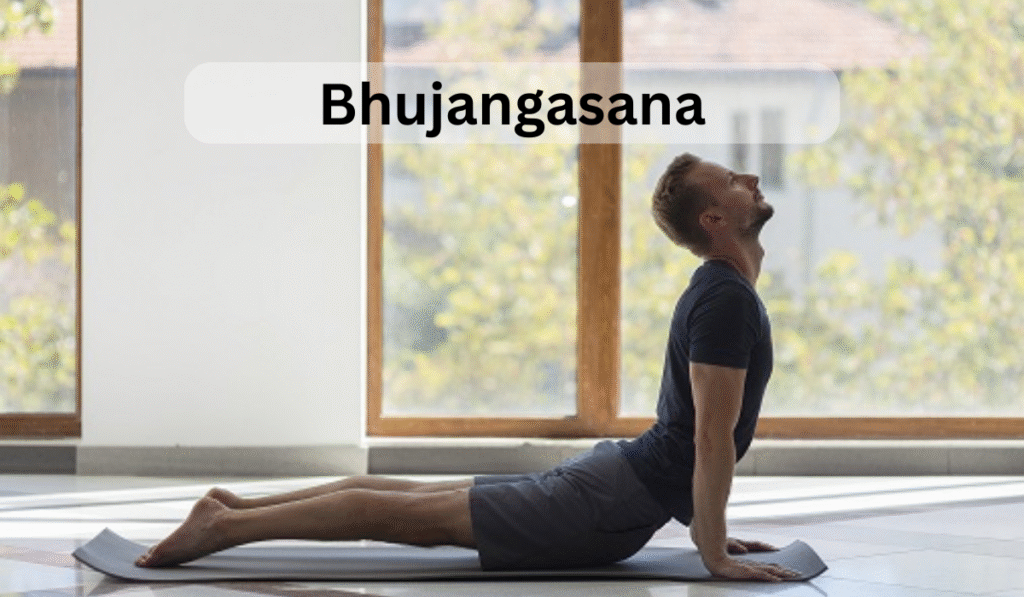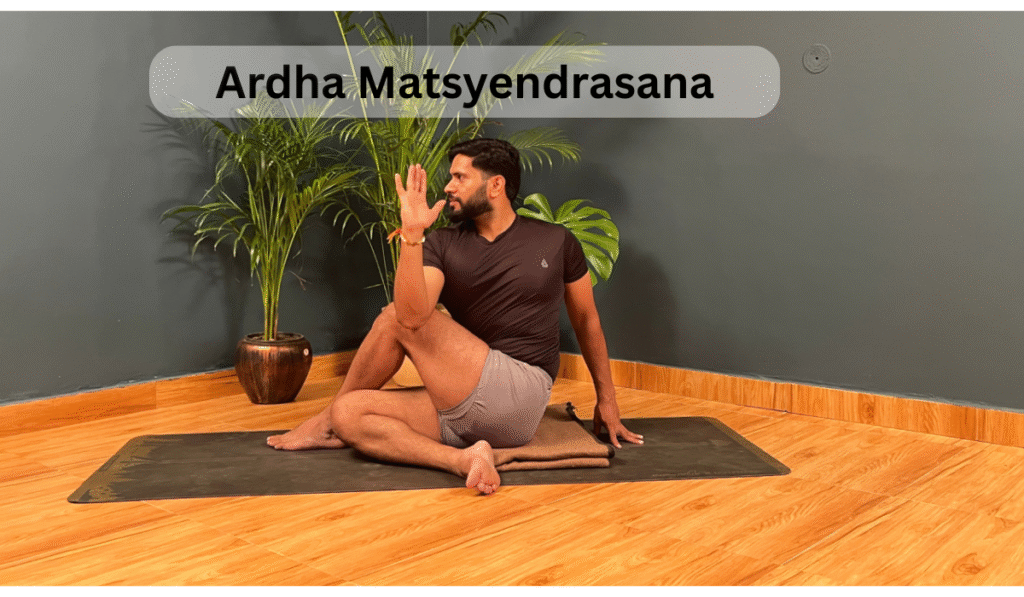
Push-ups.
Planks.
Chest workouts.
Shoulder presses.
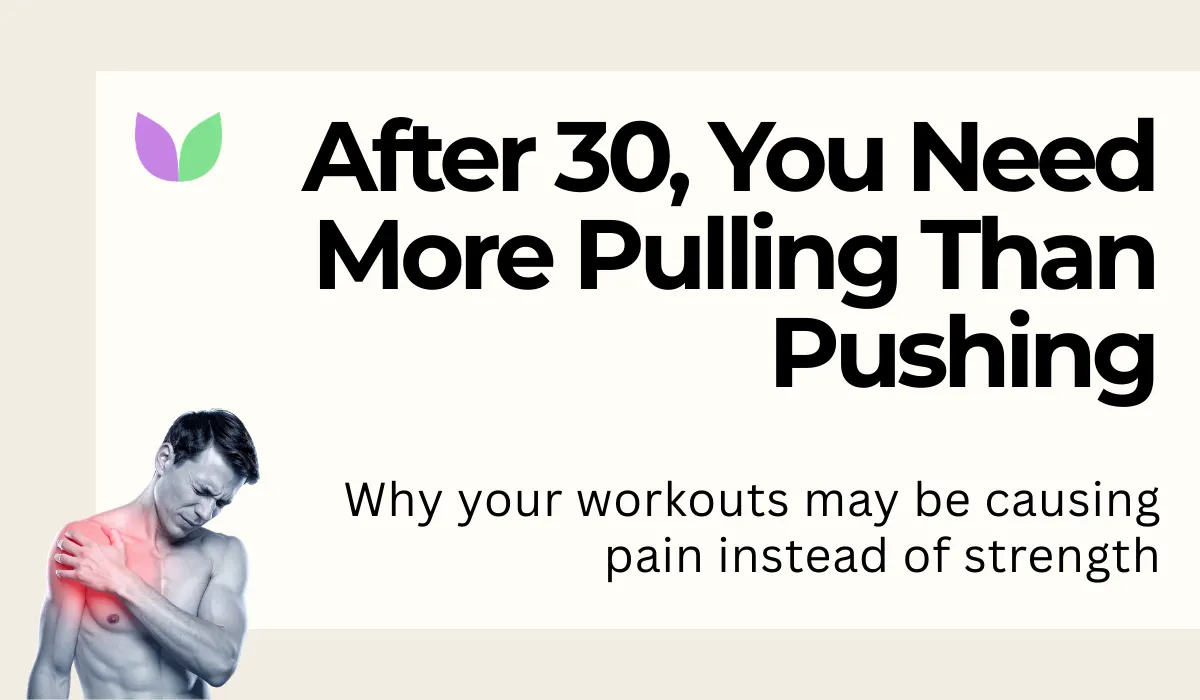
Most of us do a lot of pushing in workouts and in life.
But after 30, this imbalance quietly starts showing up as:
- Neck pain
- Shoulder tightness
- Upper-back stiffness
- Rounded posture
- Frequent back or elbow pain
The problem isn’t that pushing is bad.
The problem is that we push far more than we pull.
And your body pays the price.
Why This Becomes a Bigger Problem After 30
As we age, a few things naturally change:
- Muscle recovery slows
- Posture adapts to desk work and phones
- Deep stabilizing muscles weaken faster than big muscles
Daily life already puts us in a pushing posture:
- Typing and mousing
- Driving
- Holding phones
- Cooking, cleaning
- Carrying bags in front of the body
So when workouts focus mostly on pushing (push-ups, chest presses, planks), we reinforce the imbalance.
After 30, your body needs more balance, not more force.
Pushing vs. Pulling — What’s the Difference?
Pushing muscles (front of the body):
- Chest
- Front shoulders
- Triceps
- Hip flexors
Pulling muscles (back of the body):
- Upper & mid-back
- Rear shoulders
- Biceps
- Deep spinal stabilizers
Most people overtrain the front and undertrain the back.
That’s why posture collapses forward, and pain starts creeping in.
What Happens When You Don’t Pull Enough
1️. Neck & Shoulder Pain
Weak upper-back muscles can’t support the head and shoulders.
The neck compensates → stiffness and pain.
2️. Rounded Posture
Without strong pulling muscles, the shoulders roll forward, and the chest tightens.
3️. Shoulder Injuries
An imbalance between pushing and pulling increases shoulder impingement risk.
4️. Back Pain
Your spine relies on the back muscles for stability.
Weakness here = overload elsewhere.
What Science Says
Research consistently shows that balanced pulling strength:
- Improves posture
- Reduces neck and shoulder pain
- Protects joints
- Improves movement efficiency
Pulling exercises activate muscles that hold you upright, something your body desperately needs after years of sitting and screen time.
Simple Test: Do You Need More Pulling?
Try this quick check:
- Stand relaxed.
- Notice your shoulders.
If they naturally sit forward and rounded, or you struggle to pull them back comfortably, your pulling muscles need attention.
The Most Important Pulling Exercises After 30
You don’t need a gym. Start simple.
1. Rows
- Resistance band rows
- Dumbbell rows
- Towel rows at home
Strengthens mid-back and supports posture.
2. Face Pulls or Band Pull-Apart
- Open the chest
- Strengthen rear shoulders
Excellent for neck and shoulder pain prevention.
3. Dead Hangs or Assisted Pull-Downs
(even hanging for 10–20 seconds counts)
Decompresses the spine and strengthens grip and shoulders.
4. Scapular Retractions
Pull your shoulders back and down slowly.
Teaches your body how to hold itself upright again.
The Golden Rule After 30
For every pushing exercise you do, try to do one or two pulling exercises.
This simple rule alone can:
- Reduce pain
- Improve posture
- Make workouts feel easier
- Protect joints long-term
The Intuiwell Takeaway
Your body after 30 isn’t weaker
It just needs better balance.
Pulling exercises are not “extra.”
They are essential for the maintenance of:
- Your spine
- Your shoulders
- Your nervous system
- Your long-term movement freedom
Train what holds you up, not just what pushes you forward.
Summary
Most adults train the front of the body far more than the back. Push-ups, planks, presses, typing, driving, and phone use all push the shoulders forward.
After 30, recovery slows, and stabilizing muscles weaken faster, so this imbalance finally shows up as neck pain, tight shoulders, rounded posture, and recurring back problems.
The issue isn’t exercise itself, it’s imbalance.
Your front muscles (chest, shoulders, triceps, hip flexors) become dominant, while the support system (upper back, rear shoulders, spinal stabilizers) becomes weak.
That weak support forces the neck, joints, and spine to compensate → pain.
Pulling movements restore structure.
They hold your posture upright, stabilize joints, and reduce overload.
Golden rule:
For every pushing exercise, do 1–2 pulling exercises.
Simple pulling work, like rows, face pulls, hangs, and scapular retractions, can significantly improve posture, reduce pain, and protect joints long-term.
Your body after 30 doesn’t need more intensity.
It needs balance.
FAQs
1) Why do body aches increase after 30, even without injury?
Because stabilizing muscles weaken faster than larger muscles. Your body still moves, but support drops — so joints and the neck compensate and start hurting.
2) Are push-ups bad after 30?
No. Push-ups aren’t the problem. Doing mostly push exercises without balancing pulls is the problem.
3) How many pulling exercises should I do?
Minimum: match your pushing volume.
Better: twice as many pulls as pushes.
4) Can posture actually improve after years of sitting?
Yes, posture is muscle memory. Strengthen the back, and the body reorganizes automatically.
5) Do I need a gym for pulling workouts?
No. Bands, towels, door rows, and simple hanging are enough.
6) How long before I notice results?
Usually, 2–4 weeks for reduced stiffness and better shoulder comfort. Structural posture changes take longer but start early.
7) Is neck pain usually a neck problem?
Often no. It’s usually a weak upper-back problem causing the neck to overwork.
If you have recurring neck stiffness, shoulder tightness, or back pain, you likely don’t need stronger workouts — you need the right ones.
Book a consultation call or request a call back with Intuiwell.
We’ll identify your movement imbalance and build a simple plan that fits your daily routine.
REFERENCES
- American Council on Exercise (ACE). Importance of Pulling Exercises.
https://www.acefitness.org/education-and-resources/lifestyle/blog/6591/why-you-need-to-pull-more-than-you-push/ - Kendall, F.P. et al. (2005). Muscles: Testing and Function with Posture and Pain.
https://books.google.com/books/about/Muscles.html?id=Hk9VAAAAMAAJ - De Mey, K. et al. (2014). Trapezius muscle balance and shoulder pain.
British Journal of Sports Medicine.
https://bjsm.bmj.com/content/48/11/868