
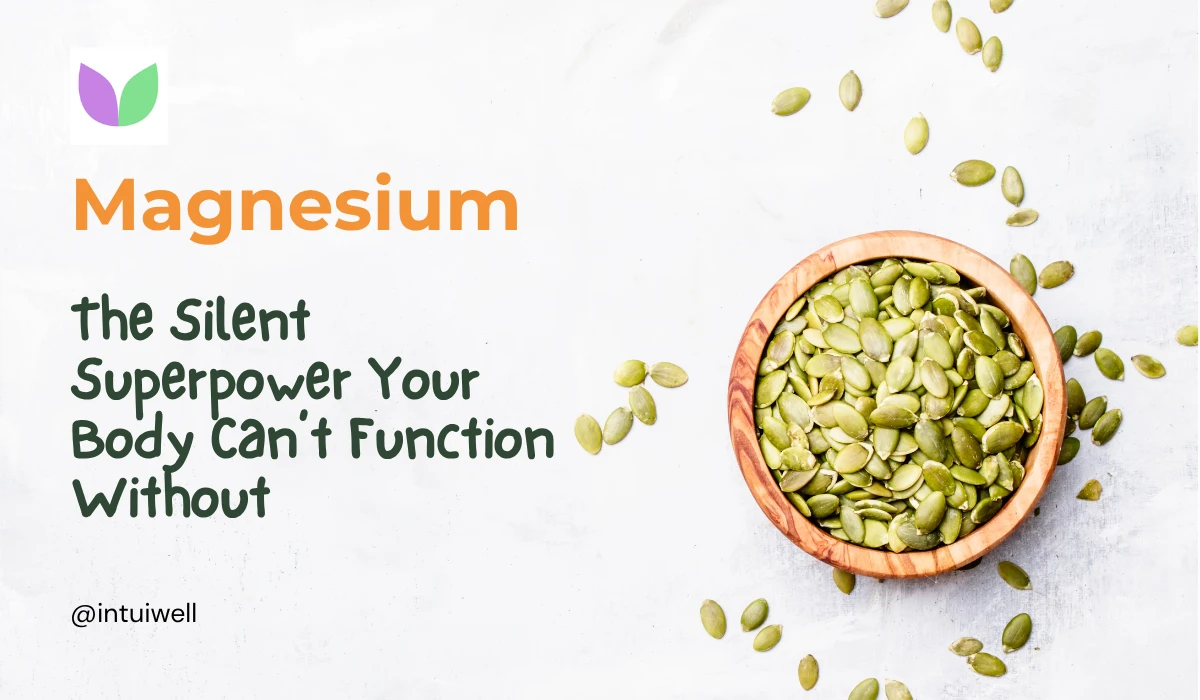
Magnesium is one of the most overlooked minerals in modern diets, yet it plays a crucial role in over 300 biochemical reactions in the body. From energy production to nervous system regulation, magnesium silently supports your health every day, and yet studies show that up to 50% of adults may not get enough in their diet.
Why Magnesium Matters
- Energy Production: Essential for ATP, the body’s main energy molecule.
- Stress & Mood Regulation: Calms the nervous system, reducing anxiety and irritability.
- Muscle & Nerve Function: Prevents cramps, spasms, and tingling sensations.
- Heart & Blood Pressure: Supports normal heart rhythm and blood pressure regulation.
- Sleep Quality: Helps regulate melatonin and the circadian rhythm for deep, restorative sleep.
Alarming Signs of Magnesium Deficiency
- Chronic fatigue and low stamina despite adequate rest
- Muscle cramps, spasms, or twitches (often in calves or feet)
- Restless legs syndrome or tingling sensations in hands/feet
- Migraines or frequent headaches
- Anxiety, irritability, or mood swings
- Heart palpitations or irregular heartbeat
- Poor sleep quality or insomnia
Magnesium deficiency may also contribute to insulin resistance, higher blood pressure, and weaker bones over time.
Top Food Sources of Magnesium (with amounts per serving)
- Pumpkin seeds: 150 mg / 1 oz (28 g)
- Almonds: 80 mg / 1 oz
- Spinach (cooked): 78 mg / 1 cup
- Swiss chard (cooked): 150 mg / 1 cup
- Black beans (cooked): 120 mg / 1 cup
- Oats: 60 mg / ½ cup dry
- Dark chocolate (70–85% cacao): 64 mg / 1 oz
- Avocado: 58 mg / 1 medium fruit
Magnesium Absorption Tips & Food Combinations
- Pair magnesium-rich foods with vitamin B6-rich foods for better absorption:
-Spinach + banana smoothie, pumpkin seeds + chickpeas salad - Protein helps absorption: Combine legumes with whole grains:
-Black beans + brown rice, lentils + quinoa salad
- Slightly acidic foods improve uptake:
-Spinach salad with lemon juice or tomato, avocado with citrus dressing
- Healthy fats enhance absorption:
-Almonds or walnuts with yogurt, pumpkin seeds in olive oil salad
Things That Inhibit Magnesium Absorption
- Excess calcium supplements taken at the same time
- High phosphate intake (sodas, processed foods)
- Excess alcohol consumption
- Refined grains (most magnesium is removed during processing)
Incorporate magnesium-rich foods like a spinach salad with pumpkin seeds and lemon dressing, a handful of almonds with yogurt, or a cup of black beans with brown rice into your daily diet. Within a few weeks, you may notice improved energy, reduced cramps, calmer mood, and better sleep.
Summary:
Magnesium is one of the most underappreciated yet vital minerals your body depends on for over 300 essential biochemical functions. It powers energy production (ATP), calms the nervous system, supports muscle and nerve health, maintains heart rhythm, regulates blood pressure, and improves sleep quality. Yet, up to half of adults are deficient—often without realizing it. Signs such as muscle cramps, fatigue, irritability, poor sleep, or frequent headaches may all be attributed to low magnesium levels. The good news? You can restore balance naturally through magnesium-rich foods like pumpkin seeds, almonds, spinach, black beans, and dark chocolate—especially when paired with vitamin B6, healthy fats, and slightly acidic foods for optimal absorption.
At Intuiwell, we help you uncover nutrient gaps and build a personalized nutrition plan that supports energy, mood, and long-term health.
FAQs
- Why is magnesium so important for health?
Because it’s involved in over 300 biochemical reactions—from producing energy and regulating mood to supporting muscles, nerves, and heart function. - What are the common signs of magnesium deficiency?
Fatigue, muscle cramps, mood swings, headaches, irregular heartbeat, and poor sleep quality are often linked to low magnesium levels. - Can I get enough magnesium from food alone?
Yes, with a balanced diet rich in nuts, seeds, leafy greens, and legumes. However, many people still fall short due to soil depletion and processed diets. - What improves magnesium absorption?
Pairing magnesium foods with vitamin B6 (like bananas or chickpeas), healthy fats (nuts, avocado), and slightly acidic foods (lemon, tomato) helps your body absorb more. - What reduces magnesium absorption?
High calcium supplements, excess alcohol, processed foods, and sodas can block absorption and worsen the deficiency. - How soon will I notice benefits after increasing magnesium intake?
Some people report better sleep, improved energy, and reduced muscle cramps within 2–4 weeks of consistent intake. - Should I take magnesium supplements?
Supplements can help if your diet is lacking or you have absorption issues, but it’s best to test and personalize your approach. Intuiwell’s experts can guide you through this.
Feeling drained, anxious, or struggling with sleep? You might just need to rebalance your magnesium.
👉 Request a callback or book your discovery call with Intuiwell to understand your body’s real needs and reset your energy from within.


