Protein: The Repair, Strength & Satiety Nutrient
Deep Dive Into E3: Protein From IntuiWell Periodic Table
Quick Takeaways
- Protein is made of amino acids. Your body cannot make nine of them. You must get them from food.
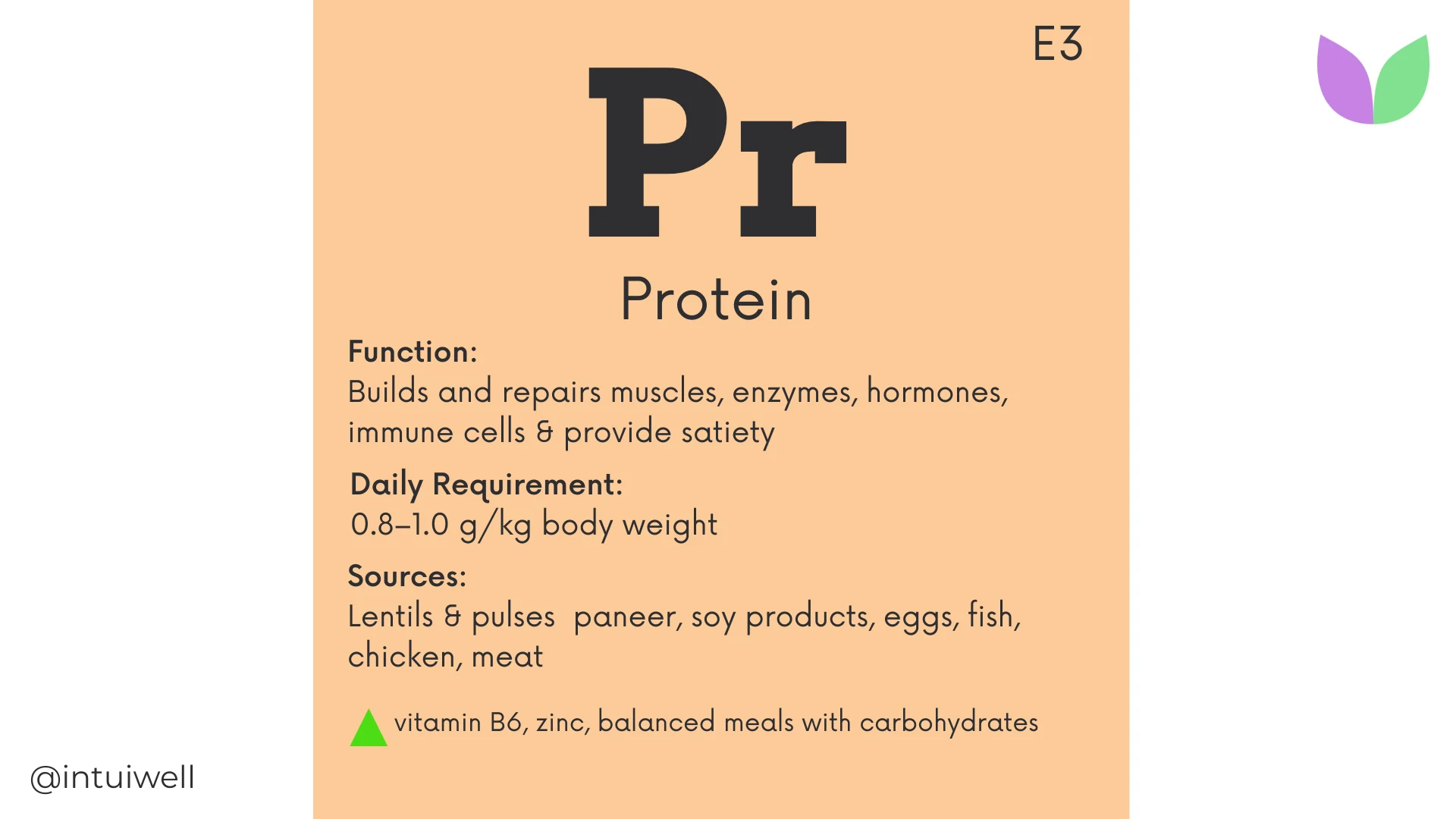
- Most healthy adults need around 0.8–0.83 g/kg body weight per day as a baseline.
- Many people feel and function better at 1.0–1.2 g/kg, especially older adults, active people, and those trying to lose fat without losing muscle.
- Pregnancy and lactation need extra protein on top of baseline intake.
- Intakes up to about 2 g/kg/day look safe in healthy adults in current research. Going far above that for long periods needs medical guidance.
- For most Indians, the big gap is not supplements. It is steady protein across the day from dal, pulses, soy, dairy, eggs, and balanced meals.
1. What Protein Really Is
Protein is a chain of amino acids.
Some amino acids are essential. Your body cannot make them. You must eat them.
Others are non-essential. Your body can make them if you eat enough total protein and energy.
Each gram of protein gives 4 kcal of energy.
Digestion starts in the stomach with acid and the enzyme pepsin. It continues in the small intestine with pancreatic enzymes.
The final amino acids and small peptides enter your bloodstream through the gut wall.
A healthy gut is key. Low stomach acid, chronic stress, or gut inflammation can reduce protein digestion and absorption.
2. What Protein Does in Your Body
Protein is not just “for muscles”. It is structural, functional, and regulatory.
- Structure – muscles, bones, skin, hair, nails, connective tissue.
- Enzymes – almost every chemical reaction depends on protein enzymes.
- Hormones and neurotransmitters – many are protein-based or need amino acids as building blocks.
- Immune function – antibodies and many immune messengers are proteins.
- Transport – hemoglobin carries oxygen; albumin carries hormones and nutrients.
- Repair – every cut, surgery, infection, or hard workout needs protein for repair.
When you under-eat protein, your body quietly “saves” it for vital systems and sacrifices muscle, hair, skin, and nails first.
3. Essential Amino Acids
There are nine essential amino acids (EAAs):
Histidine, isoleucine, leucine, lysine, methionine, phenylalanine, threonine, tryptophan, valine.
You need all of them in the right amounts over the day.
Leucine is especially important. It helps switch on muscle protein synthesis (MPS).
Research suggests that most adults need roughly 2–3 g of leucine per meal to fully trigger MPS. This often comes from 20–30 g of high-quality protein per meal.
Signs of low EAA intake over time can include:
- Slow muscle recovery
- Weakness despite “normal” calories
- Hair and nail issues
- Frequent illness
4. Protein Quality & Completeness
Complete proteins contain all EAAs in good proportions.
Examples:
- Milk, curd, paneer
- Eggs
- Soy (tofu, soy milk)
- Most animal proteins
Incomplete proteins lack one or more EAAs or have them in low amounts.
Many cereals are low in lysine. Many pulses are relatively lower in methionine.
Protein quality also depends on:
- Digestibility – how much you can absorb
- PDCAAS / DIAAS – scientific methods that score protein by amino acid profile and digestibility
Animal proteins usually have higher scores.
But mixed plant proteins (like dal + rice or roti + chole) can reach similar practical quality over the day.
5. Main Protein Sources (Indian Focus)
Vegetarian:
- Dals and pulses: toor dal, moong, chana dal, masoor, urad
- Legumes: rajma, chole, black chana, soybeans
- Soy: tofu, tempeh, soya chunks
- Dairy: milk, curd, paneer, buttermilk
- Pseudocereals: quinoa, amaranth, buckwheat
- Nuts and seeds: peanuts, almonds, walnuts, pumpkin seeds, sunflower seeds (good support, but calorie-dense)
Non-vegetarian (optional, contextual):
- Eggs
- Fish
- Chicken
Processed protein foods:
- Protein powders, bars, RTD shakes
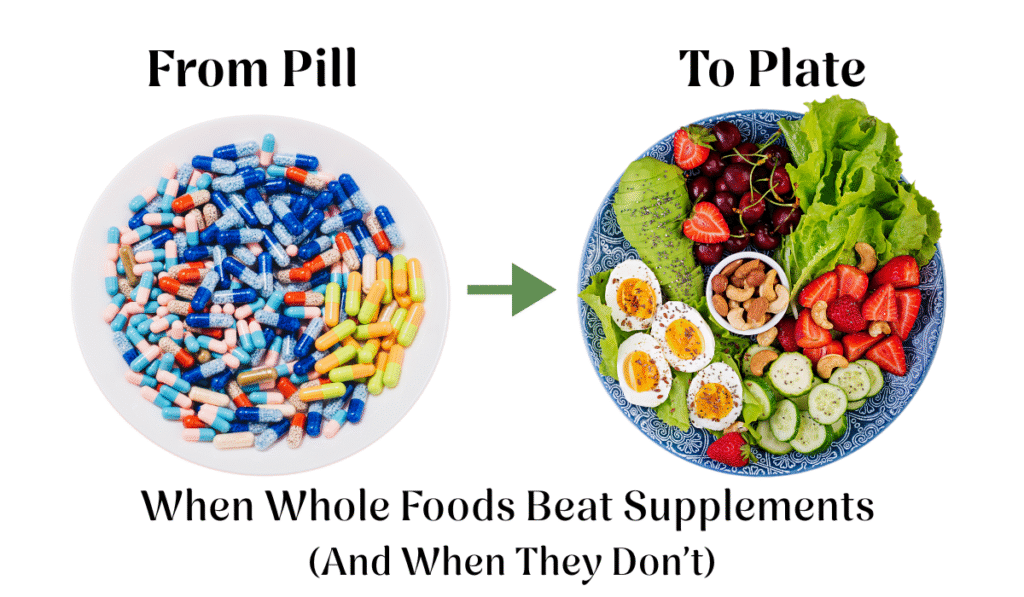
They help when appetite, time, or access is low, but they should not replace real meals.
6. Protein Combining – Especially for Vegetarians
Traditional Indian meals already “know” protein science.
- Dal + rice
- Rajma + rice
- Khichdi with curd
- Roti + chole / rajma
- Idli / dosa + sambhar
Cereals supply methionine. Pulses supply lysine. Together, they form a more complete amino acid profile.
You do not always need the perfect combination in the same bite.
But across the day, you should:
- Eat 2–3 servings of pulses/soy
- Include dairy or eggs if your diet allows
- Rotate sources to get diversity
7. Digestion, Absorption, and Gut Factors
Good protein use needs:
- Adequate stomach acid
- Working digestive enzymes
- Healthy small intestine lining
Issues that can reduce protein digestion:
- Chronic stress and rushed eating
- Long-term antacid use
- Gut conditions (IBD, celiac, severe IBS)
- Infections or dysbiosis
Simple support:
- Chew well.
- Avoid very large, heavy meals if digestion is weak.
- Use soaking, sprouting, and fermenting for pulses and grains to improve digestibility.
Signs of poor digestion:
- Bloating and gas after high-protein meals
- Very foul-smelling stools
- Undigested food particles in stool
- Feeling “heavy” or nauseous after oily, protein-rich foods
8. Protein and Energy Balance
Protein has a protein-sparing effect.
If you eat enough carbs and fat, your body can use protein mainly for structure and repair.
If you eat too few calories or very low carbs:
- Your body breaks down protein for energy.
- Over time, you lose muscle even if total protein intake looks “okay” on paper.
For fat loss, higher protein helps:
- Increase satiety
- Reduce cravings
- Preserve muscle while you eat fewer calories
But extremely low-carb, high-protein diets can increase dehydration, strain digestion, and crowd out fibre and micronutrients.
9. Protein & Muscle Health
Protein and resistance training work together.
- Exercise gives the signal.
- Protein gives the building blocks.
Key points:
- Aim for 20–30 g protein per meal for most adults. Older adults may benefit from the higher end.
- Include at least 2–3 meals per day with solid protein.
- For older adults or people with sarcopenia risk, total intake of 1.0–1.2 g/kg/day works better than the bare minimum 0.8 g/kg.
Without enough protein, you lose muscle with age even if your weight stays similar.
10. Protein & Hormonal Health
Protein influences many hormones:
- Insulin – protein stimulates insulin modestly and helps control blood sugar when balanced with fibre and healthy fats.
- Thyroid – you need adequate protein for conversion of T4 to active T3 and for carrier proteins.
- Sex hormones – low protein intake can worsen menstrual issues, low libido, or poor recovery.
- Neurotransmitters – tryptophan, tyrosine, and others come from protein and support serotonin, dopamine, and stress resilience.
Chronically low protein plus high stress can create a “tired but wired” state: cravings, fatigue, poor sleep, and irritability.
11. Protein & Metabolic Health
For blood sugar and insulin resistance:
- Protein slows gastric emptying.
- It reduces the speed of glucose spikes when eaten with fibre and healthy fat.
- Higher total protein (within reason) helps many people with diabetes, PCOS, and fatty liver when carbs are controlled and quality is high.
But very high-protein + high-fat + low-fibre diets with a lot of processed meat and refined foods can increase long-term cardiometabolic risk in some groups, especially older adults.
Balance and food quality matter more than chasing extremes.
12. Daily Protein Requirements
Think in g/kg body weight (using your current or target healthy weight):
- Healthy adults:
- Older adults (>60–65 years):
- Pregnancy:
- Baseline RDA for non-pregnant adult women is ~0.8 g/kg/day.
- Guidelines add ~1 g/day in 1st trimester, ~9–28 g/day in 2nd and 3rd trimesters, or about 1.1 g/kg/day in later pregnancy. Lactation:
- Extra ~12–19 g/day on top of non-lactating needs, depending on stage. Upper safe limit (for healthy adults):
- Current evidence suggests up to about 2 g/kg/day is safe for most healthy people.
- Beyond that, especially >2–2.5 g/kg/day long-term, we have limited data and possible higher cardiometabolic risk at very high intakes.
- Kidney disease / advanced CKD:
- Advanced liver disease:
- Also needs personalised protein planning. Sometimes intake must go up to prevent muscle loss; sometimes protein type and timing matter more than total grams. Always seek medical guidance.
13. Timing & Distribution
How you spread protein matters:
- Aim for 3 protein-containing meals instead of one massive protein-heavy dinner.
- For many adults, target 20–30 g per meal.
- Include protein at breakfast to reduce cravings and improve energy across the day.
Pre- and post-workout:
- You do not need to obsess over exact minutes.
- Get a mixed meal or snack with protein + carbs 1–2 hours before or after exercise.
- The “anabolic window” is at least 24 hours after training.
Protein before sleep:
- A light, protein-rich snack can help recovery in some people (e.g., curd, paneer).
- Avoid heavy, oily, or huge meals right before bed if they disturb sleep or digestion.
14. Protein in Common Health Conditions
Diabetes / Insulin Resistance / PCOS
- Moderate to higher protein with controlled, high-quality carbs works better than low protein + high refined carbs.
- Focus on pulses, soy, low-fat dairy, eggs, and some nuts and seeds.
Thyroid Disorders
- Low protein can worsen fatigue, poor hair quality, and slow metabolism.
- Ensure regular protein each meal along with adequate micronutrients (iodine, selenium, zinc, iron).
Fatty Liver (NAFLD)
- Higher protein with lower refined carbs and total calories helps reduce liver fat.
- Avoid large intakes of sugary drinks and refined snacks.
Menopause
- Women often lose muscle and gain central fat.
- Aiming for 1.0–1.2 g/kg/day + resistance training helps maintain muscle and strength.
Gut Disorders
- Start with softer, easier-to-digest proteins (dahi, paneer, well-cooked dal).
- Use small, frequent meals if large meals trigger symptoms.
15. Lab Markers Related to Protein Status
No single lab test gives a perfect picture of protein status. But these markers offer clues:
- Serum albumin – falls in severe deficiency, but also in liver disease, inflammation, and kidney loss.
- Total protein – includes albumin + globulins; very low values may suggest chronic undernutrition or serious illness.
- Prealbumin (transthyretin) – more responsive to recent changes but strongly affected by inflammation and illness.
- BUN/creatinine – used to assess kidney function and protein metabolism; high-protein diets can raise BUN slightly in healthy people without harming the kidneys.
Always interpret labs with a doctor. Do not self-diagnose kidney or liver disease from one number.
16. Symptoms of Protein Deficiency
Long-term low protein can show up as:
- Hair fall, thinning, brittle nails
- Muscle loss, weakness, poor stamina
- Frequent infections, slow recovery from illness
- Slow wound healing
- Persistent cravings, poor satiety, frequent snacking
If you eat very carb-heavy, low-protein meals and see these patterns, you likely need to upgrade protein quality and amount.
17. When Excess Protein Becomes a Problem
For healthy adults, higher protein is usually safe within reasonable limits.
Excess becomes a concern when:
- Total intake goes well beyond ~2 g/kg/day for long periods.
- Most protein comes from processed meats (sausages, bacon, salami) and highly processed, salty, fatty foods. These link more strongly to heart disease, cancer, and premature mortality than total protein itself.
- Protein displaces almost all carbs and fat, leading to very low fibre, low phytonutrients, and poor gut health.
- There is existing kidney or advanced liver disease and intake is not individualised.
If you have CKD, advanced liver disease, severe gout, or unclear lab markers, do not raise protein aggressively without specialist advice.
18. Protein Supplements – When and How
You do not need a protein supplement if:
- You can reach your target with normal food,
- Your appetite is fine,
- Your schedule allows cooking and planning.
Supplements can help when:
- Appetite is low, or chewing is difficult.
- You travel often.
- You are an athlete with high requirements.
What to look for:
- 18–25 g protein per scoop
- Clear ingredient list, no unnecessary sugar or trans fats
- Trusted brand with third-party testing where possible
Remember: shake = supplement, not meal. You still need whole foods, fibre, and micronutrients.
19. Common Protein Myths
“Vegetarians cannot meet protein needs.”
False. Well-planned vegetarian diets with pulses, soy, dairy, nuts, and seeds easily reach 1.0–1.2 g/kg/day.
“More protein automatically means more muscle.”
Only if you train properly and total calories, sleep, and recovery are in place.
“Protein always damages kidneys.”
In healthy adults, higher protein up to ~2 g/kg/day does not show kidney damage in clinical studies. CKD is a different case.
“Only animal protein is complete.”
Soy and some plant blends are complete. Mixed plant sources across the day can fully cover essential amino acids.
20. Practical Protein Planning Framework
Use this like a daily checklist.
20.1 Per-Meal Protein Targets
- Light to moderately active adult: 20–25 g per meal
- Older adults / heavy training / fat loss: 25–30 g per meal
20.2 Simple Portion Visuals
- Paneer/meat/fish: size of your palm ≈ 20–25 g protein
- Cooked dal/rajma/chole: 1 katori (150–200 ml) ≈ 7–9 g protein
- Curd: 1 cup (200 ml) ≈ 6–7 g protein
- Milk: 1 glass (200 ml) ≈ 6–7 g protein
- Eggs: 2 whole eggs ≈ 12–14 g protein
Use combinations to hit 20–30 g.
20.3 Protein-Rich Indian Meal Examples
- Breakfast: Veg besan chilla + curd
- Lunch: 2 phulka + 1 katori rajma + salad + curd
- Snack: Roasted chana + buttermilk
- Dinner: Vegetable khichdi (dal + rice) + paneer bhurji + salad
20.4 Eating Out Strategies
- Choose dishes with dal, paneer, soy, eggs, or grilled fish/chicken.
- Add a curd / raita / buttermilk if possible.
- Avoid meals that are only carb + fat (big naan + creamy gravy with almost no protein).
20.5 Daily Protein Checklist
- ☐ I ate protein in all main meals today.
- ☐ I used at least two different protein sources in the day.
- ☐ My plate was not just white carbs + oil.
- ☐ I drank enough water to support digestion and kidneys.
21. Summary – How to Use This Article
- Start by estimating your target range (g/kg/day).
- Map your current meals against the per-meal protein targets.
- Upgrade your plate using the Indian food examples and portion visuals.
- If you are pregnant, lactating, older, very active, or have a medical condition, use this article to frame the right questions for your doctor and dietitian.
Protein is not a “gym nutrient”.
It is a daily, non-negotiable nutrient for repair, hormones, immunity, and long-term strength.
Author
Written by: Shivani Jain, Co-founder & Clinical Lead Nutritionist, IntuiWell
- Certified nutritionist based in India (Master’s in Foods & Nutrition)
- Combines scientific diet planning, superfoods, ancient wisdom, and simple kitchen remedies
- Works with clients to attack the root cause of issues like fatigue, weight gain, gut problems, and hormonal imbalances
Key References (For Further Reading)
- ICMR–NIN (2020). Nutrient Requirements for Indians – RDA & EAR.
https://www.nin.res.in/rdabook/brief_note.pdf ICMR-National Institute of Nutrition+1 - WHO/FAO/UNU (2007). Protein and Amino Acid Requirements in Human Nutrition.
Summary via EU Knowledge Gateway:
https://knowledge4policy.ec.europa.eu/health-promotion-knowledge-gateway/dietary-protein-dietary-intake-pregnant-4_en Knowledge for policy+1 - Bauer J et al. (2013). PROT-AGE Study Group – Recommendations for Older Adults.
https://pubmed.ncbi.nlm.nih.gov/23867520/ Caring for the Ages+3PubMed+3ScienceDirect+3 - Jäger R et al. (2017). International Society of Sports Nutrition Position Stand: Protein and Exercise.
https://pubmed.ncbi.nlm.nih.gov/28642676/ ApaCare Schweiz+4PubMed+4Springer Link+4 - Devries MC et al. (2018). Higher Protein Intake and Kidney Function in Healthy Adults.
https://pubmed.ncbi.nlm.nih.gov/30383278/ Frontiers+3PubMed+3PMC+3 - Murphy MM et al. (2021). Protein Intake in Pregnant Women.
https://www.ncbi.nlm.nih.gov/pmc/articles/PMC7997328/ PMC+1
FAQs
1. How much protein does an average Indian adult actually need?
At minimum, ~0.8 g/kg/day.
But most adults feel, recover, and age better at 1.0–1.2 g/kg/day, especially with stress, poor sleep, or low activity.
2. Can vegetarians meet protein needs without supplements?
Yes. Easily, if meals are planned. Pulses, soy, dairy, curd, paneer, and traditional cereal–dal combinations cover essential amino acids across the day.
3. Is high protein harmful to the kidneys?
Not in healthy adults. Research shows intakes up to ~2 g/kg/day are generally safe. Kidney disease is a medical exception, not a general rule.
4. Why do I feel bloated or heavy after protein-rich meals?
Often a digestion issue, not protein itself. Low stomach acid, rushed eating, stress, or poor food prep (no soaking/sprouting) reduce protein absorption.
5. Do I need protein powders?
Only if food intake is insufficient due to appetite, travel, or high requirements, supplements support meals, they don’t replace them.
6. Is spreading protein across meals really important?
Yes. One protein-heavy dinner doesn’t compensate for protein-poor breakfasts and lunches. Aim for 20–30 g per meal for better muscle and metabolic outcomes.
If you’re tired of guessing your protein needs or following advice that doesn’t fit your body, age, or lifestyle, we can help.
👉 Book a 1:1 consultation with IntuiWell to get your protein intake, digestion, and meal structure personalized.
👉 Prefer a callback? Request a call, and we’ll guide you step by step, no extremes, no supplements-first approach.
Your body doesn’t need trends.
It needs clarity and consistency.